How Heat Treatment Eradicates Bed Bugs: Key Equipment and Inspection Techniques
Heat treatment stands out as a dependable method for eliminating bed bugs. By raising temperatures beyond 120°F, it targets all developmental stages, including eggs. Vital equipment, such as thermal discover the information imaging cameras and fans, plays a vital role in ensuring effective results. However, comprehensive inspections are necessary to detect infestations and common hiding spots. Recognizing these elements is fundamental to a productive treatment. Which targeted methods can improve the success of this treatment?
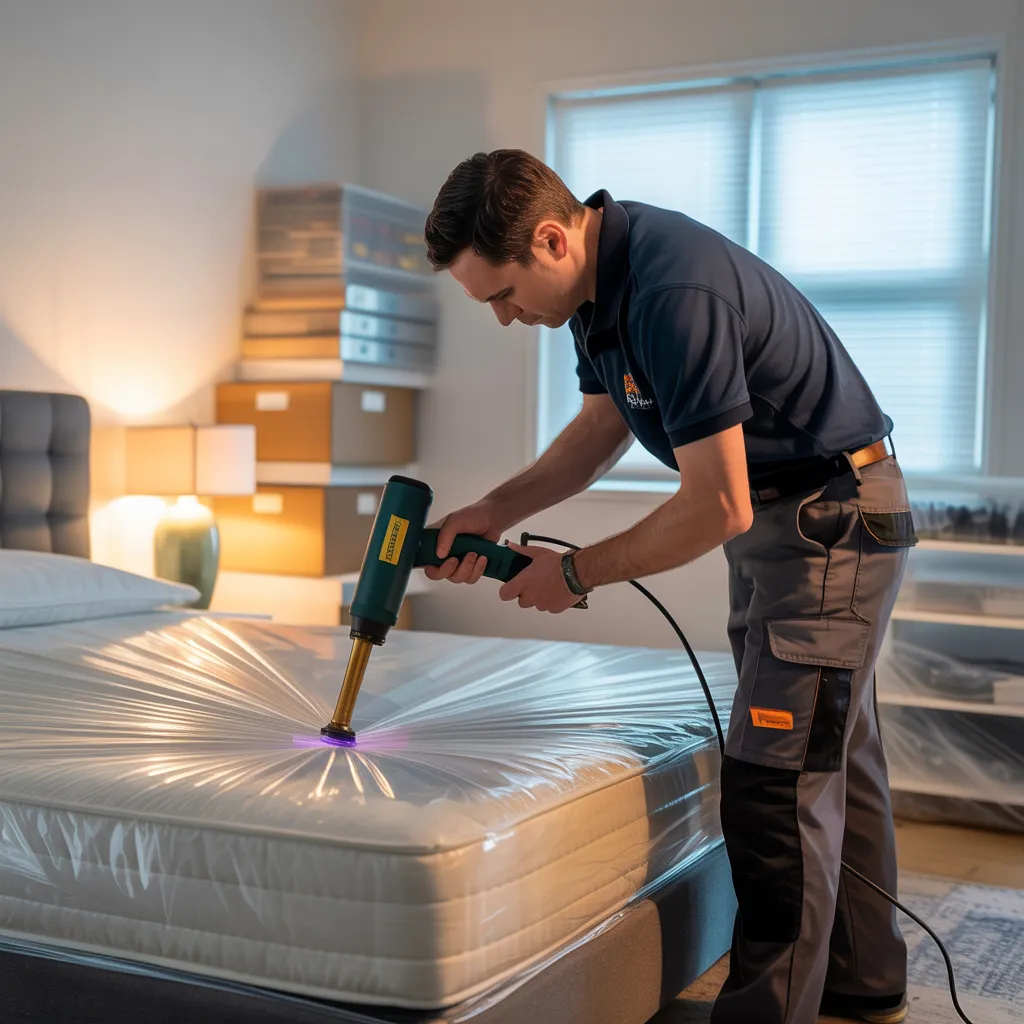
Why Heat Treatment Is the Best Solution for Bed Bug Elimination
Heat treatment has become among the most powerful solutions for exterminating bed bugs. This technique uses extreme heat, typically between 120°F and 140°F, to destroy all developmental stages of these bugs, including eggs. Unlike chemical treatments, which often need several applications and may leave unwanted residues, heat treatment penetrates into cracks, crevices, and furniture, ensuring thorough coverage.
Moreover, this approach is environmentally safe, as it eliminates the use of potentially harmful pesticides, making it a healthier choice for residential and commercial properties. The success rate of heat treatment is significant; studies show that it can destroy bed bugs within a matter of minutes of contact with temperatures lethal to bed bugs. Furthermore, heat treatment often takes less time than standard approaches, making possible faster elimination of infestations. Considering these benefits, heat treatment remains a reliable solution for anyone facing bed bug issues.
Key Requirements for Successful Heat Treatment
Successful heat treatment for bed bug eradication requires careful preparation and the right equipment. Necessary tools consist of high-capacity heaters able to reach temperatures surpassing 120°F, which is essential for destroying bed bugs at every stage of their life cycle. Thermal imaging cameras can help identify thermal inconsistencies, ensuring all areas are adequately heated. Furthermore, fans are required to efficiently circulate hot air, facilitating consistent temperature distribution across the treated area.
Protective gear, including gloves and masks, is critical for protection during the procedure. Precise temperature monitoring devices, like thermocouples, enable accurate monitoring of heat levels in various locations. A consistent power source is critical, as thermal treatment may necessitate prolonged operation times. Lastly, effective insulation of treated areas works to maintain increased temperatures for extended periods, enhancing effectiveness. When properly prepared and equipped, the likelihood of successful bed bug eradication greatly increase.
Identifying Bed Bug Hiding Spots in Your Home
In what locations could bed bugs be hiding in a home? These parasites are infamous for their skill at secreting themselves in a range of spots. Frequent hiding locations include the stitching and folds of mattresses and box springs, where they feed on sleeping inhabitants. Bed frames and headboards additionally function as perfect hiding places, frequently containing eggs and nymphs within their cracks.
Apart from bedding, bed bugs can infest furniture, particularly upholstered items such as sofas and chairs. They can also hide within gaps in walls, baseboards, or flooring. Cluttered areas, including nightstands and closets, offer additional hiding spots for these pests to flourish.
Periodic examinations of these spots can aid in identifying infestations before they worsen. Residents should remain alert, carefully inspecting any areas of concern and using a flashlight to enhance their view. Understanding where bed bugs typically hide is essential for effective management.
Executing Heat Treatment: Step-by-Step Guide
A methodical heat treatment strategy can successfully eliminate bed bugs from affected areas. The process begins with a thorough inspection to identify the extent of the infestation and the specific areas requiring treatment. Next, all items in the affected area should be removed or covered to prevent heat loss. The ambient temperature needs to be elevated to at least 120°F (49°C) with professional-grade heating equipment, guaranteeing uniform heat circulation across the entire area.
Monitoring devices should be placed to track temperature levels, as consistency is essential for effectiveness. Once the target temperature is reached and maintained for at least 90 minutes, the treatment can be deemed successful. Following the treatment, the area should be allowed to cool slowly, and an additional assessment carried out to ensure the removal of bed bugs. As a final step, any residual items must be treated or disposed of to eliminate the risk of re-infestation, confirming a complete and effective bed bug removal process.
Effective Tips to Maintain a Bed Bug-Free Space
Maintaining a bed bug-free environment requires proactive measures and vigilance. Regular inspections of sleeping areas, including mattresses, box springs, and furniture, are essential to detect early signs of bed bugs. Keeping personal belongings off the floor and using protective covers on mattresses can greatly reduce the risk of infestation.
Clearing out spaces reduces hiding spots for these pests, while consistently cleaning bedding and garments in high-temperature water removes possible eggs and live bugs. Vacuuming on a consistent basis is critical, ensuring the vacuum bag is disposed of immediately to stop the spread of reinfestation.
Guests should inspect hotel rooms and keep luggage elevated off floors. Furthermore, training all family members about identifying bed bugs and their indicators enhances overall awareness and quick response. By implementing these strategies consistently, one can effectively maintain a bed bug-free space and reduce the likelihood of an infestation.
Questions We Often Receive
How Much Time Does Heat Treatment Need to Get Rid of Bed Bugs?
Heat treatment usually takes around six to eight hours to completely eliminate bed bugs. The length of treatment may differ depending on the infested area's size and the equipment used during the extermination process.
Are There Potential Side Effects of Heat Treatment on Personal Belongings?
Heat treatment may damage sensitive items, including plastics, artwork, and electronics, due to elevated heat levels. However, most household items, notably fabrics and hard materials, typically withstand the process without significant harm or lasting effects.
Should I Perform Heat Treatment Myself or Hire a Professional?
Homeowners can choose to conduct heat treatment on their own or hire a professional. At-home approaches may fall short of precision, while experts ensure thoroughness and safety. Weighing the risks and effectiveness helps determine the most effective method for eliminating bed bugs.
What Temperature Is Necessary to Kill Bed Bugs Effectively?
To effectively kill bed bugs, temperatures must reach at least 118°F (48°C) over an extended duration. Higher temperatures, around 130°F (54°C), are capable of delivering more rapid results, guaranteeing the total elimination of all life cycle stages.
How Frequently Should I Repeat Heat Treatment for Optimal Results?
Repeating heat treatments every two to four weeks is advisable for optimal results. This approach helps confirm newly hatched bed bugs are eliminated, preventing re-infestation and ensuring a thorough elimination of the pests.